





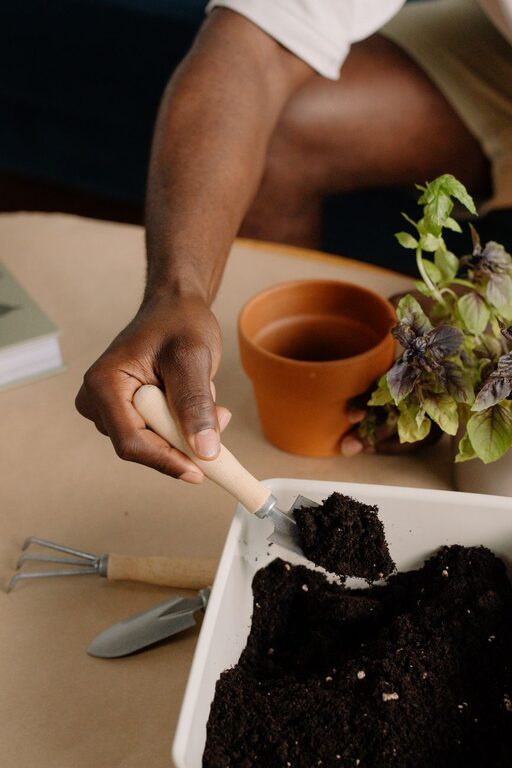
Starting an indoor herb garden is a fantastic way to bring freshness and flavor right into your kitchen. Whether you have a large home or just a small apartment, a little indoor herb garden can fit comfortably on a windowsill or countertop. With some basic supplies and easy care, you’ll be harvesting fresh herbs all year round.
This guide will walk you through the essential steps to start a small herb garden indoors—including choosing the right herbs, containers, soil, and lighting.
Why Grow Herbs Indoors?
Indoor herb gardens offer several benefits:
– Freshness: You can snip fresh herbs anytime for cooking or garnishing.
– Cost-effective: Save money by growing herbs at home instead of buying them from the store.
– Convenience: Herbs grown indoors are close at hand and don’t require yard space.
– Decor: Herb plants add a touch of greenery and pleasant scents to your living space.
– Learning: Growing plants indoors is a simple, satisfying way to connect with nature.
Choosing the Right Herbs for Indoor Growing
Some herbs are easier to grow indoors because they adapt well to container life and indoor conditions. Here are popular beginner-friendly options:
– Basil: Thrives in warm, sunny spots; perfect for Italian dishes.
– Parsley: Requires moderate sunlight and regular watering.
– Chives: Grow well in pots and tolerate some shade.
– Mint: Grows quickly but can spread aggressively, so container growth is ideal.
– Thyme: Prefers bright light and well-drained soil.
– Cilantro: Likes cooler temperatures and bright light.
– Oregano: Needs plenty of sunlight and is drought-tolerant.
Try starting with 2 to 4 different herbs to keep your garden manageable.
Selecting Containers for Your Herb Garden
Containers can be as simple or decorative as you like. Keep these tips in mind:
– Size: Choose pots that are 4 to 6 inches wide for most herbs.
– Drainage: Make sure containers have drainage holes to prevent waterlogging.
– Material: Terra cotta, ceramic, plastic, or metal pots all work. Terra cotta pots are breathable but dry out faster.
– Grouping: You can plant multiple herbs in one larger container if their water and light needs match.
Choosing the Right Soil
Good soil is key to healthy herbs.
– Use a high-quality, well-draining potting mix designed for indoor plants.
– Avoid regular garden soil as it’s often too heavy and may contain pests.
– Some gardeners prefer a mix with added perlite or sand to improve drainage.
Providing Adequate Light
Most herbs need 6 to 8 hours of bright light daily.
– Place your herb garden on a south-facing windowsill if possible.
– If natural light is limited, consider using a grow light with full-spectrum LED bulbs.
– Keep the light source about 6 to 12 inches above the plants.
– Rotate pots every few days for even growth.
Watering Your Indoor Herb Garden
Proper watering is essential.
– Water your herbs when the top inch of soil feels dry.
– Avoid overwatering; soggy soil can cause root rot.
– Use pots with drainage and empty excess water from saucers.
– Some herbs like mint and basil prefer moist soil, while thyme and oregano do better with drier conditions.
Fertilizing Indoor Herbs
Herbs benefit from occasional feeding.
– Use a balanced, water-soluble fertilizer diluted to half strength.
– Fertilize every 4 to 6 weeks during the growing season.
– Be careful not to over-fertilize; too much fertilizer can make herbs less flavorful.
Harvesting Your Herbs
Regular harvesting encourages healthy growth.
– Snip leaves or stems with clean scissors or pruning shears.
– Harvest in the morning for the best flavor and aroma.
– Avoid removing more than one-third of the plant at a time to keep it healthy.
– Pinch back growing tips to promote bushier plants.
Common Indoor Herb Garden Care Tips
– Humidity: Indoor air can be dry—especially in winter. Mist plants occasionally or place a shallow tray of water nearby to increase humidity.
– Pests: Keep an eye out for common pests like aphids, spider mites, or whiteflies. Wipe leaves gently or use insecticidal soap if needed.
– Air circulation: Good airflow helps prevent disease. Avoid overcrowding pots.
– Temperature: Most herbs prefer temperatures between 60°F and 70°F (15°C–21°C).
Troubleshooting Common Issues
– Yellow leaves: May indicate overwatering or poor drainage.
– Leggy herbs: Plants stretching toward light means they need more sunlight.
– Slow growth: Could be due to lack of nutrients or insufficient light.
– Drooping plants: Often a sign of underwatering or root problems.
Final Thoughts
Starting a small herb garden indoors is a rewarding project that brings fresh flavors and greenery right to your home. With the right herbs, containers, and care, you’ll enjoy fresh herbs year-round—even in the smallest spaces. Remember to be patient—plants take time to grow and flourish, but the results are well worth it.
Happy gardening!