








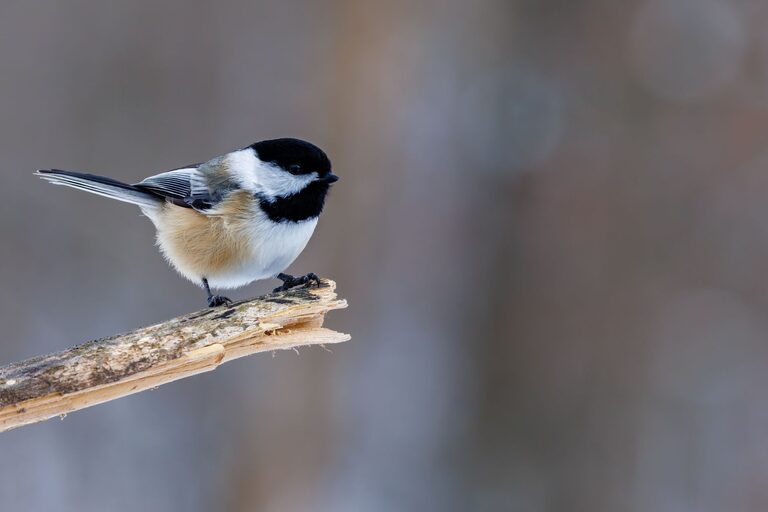
Birdwatching is a wonderful hobby that brings you closer to nature and offers a peaceful way to spend time outdoors. If you’re new to this activity, starting in your own backyard is both accessible and rewarding. With just a little preparation, you can create a welcoming space for birds and enjoy watching them all year round. This guide shares beginner tips to help you get started with backyard birdwatching.
Why Backyard Birdwatching?
Birdwatching in your backyard means no travel, no special equipment needed, and the chance to observe local birds whenever you want. It’s a relaxing way to connect with wildlife, learn about different species, and appreciate your local environment. Plus, it can be a fun activity for the whole family.
Getting Started: What You Need
1. A Comfortable Spot
Find a quiet, comfortable place in your yard where you can observe birds without disturbing them. This might be a bench, a porch, or a window seat. Being still and patient increases your chances of seeing birds up close.
2. Binoculars Are Helpful but Optional
Binoculars can enhance your experience by making it easier to see birds clearly, especially those that stay farther away. For beginners, a simple pair with moderate magnification (6x to 8x) is enough. However, you can start without any and just enjoy watching birds nearby.
3. A Field Guide or Bird Identification App
To identify the birds you see, use a field guidebook or a smartphone app dedicated to bird identification. Apps often include photos, sounds, and tips, making it easier to learn the names and habits of common backyard birds.
Attracting Birds to Your Backyard
If you want to encourage birds to visit, consider the following:
Bird Feeders
Different birds prefer different types of food. Some popular feeder styles include:
– Tube feeders: Great for small songbirds such as finches and chickadees.
– Platform feeders: Offer space for a variety of birds.
– Suet feeders: Attract woodpeckers and insect-eating birds.
Use seeds like black oil sunflower seeds, nyjer (thistle seed), or mixed seed blends. Keep feeders clean and filled regularly.
Bird Baths
Fresh water attracts birds for drinking and bathing. A shallow bird bath placed in an open area can become a popular spot. Remember to change the water often to keep it fresh and prevent mosquitoes.
Native Plants and Trees
Planting native shrubs, flowers, and trees provides food, shelter, and nesting sites. Berries, seeds, and insects found on native plants serve as natural bird food.
Shelter and Nesting Sites
Leave some natural areas or build birdhouses to offer shelter and nesting places. Different species have different preferences, so research local birds to understand their needs.
Tips for Watching Birds
Be Patient and Observant
Birds may take time to get comfortable with your presence. Spend quiet moments observing movement, shapes, and colors. Sit still, and birds will likely come closer.
Use a Notebook or Bird Journal
Keep track of the birds you see, noting the dates and behaviors. This can make birdwatching more engaging and help you learn patterns in bird activity.
Learn Bird Behaviors and Calls
Listening to bird songs can help you identify species even when they are hidden. Try to match calls to birds using apps or online resources.
Avoid Sudden Movements and Loud Noises
Birds are easily scared. Approach your birdwatching spot slowly and keep noise levels low.
Safety and Respect for Birds
– Avoid disturbing nests or handling birds.
– Use bird feeders and baths responsibly to prevent the spread of disease (clean regularly).
– Be mindful of pets that might chase or harm birds.
Seasonal Birdwatching Tips
– Spring: Watch for migratory birds returning and nesting behaviors.
– Summer: Many birds will be feeding young; observe feeding and family groups.
– Fall: Look for birds preparing for migration, often eating more to build energy.
– Winter: Feeding birds in cold months can be especially helpful; keep feeders stocked.
Enjoying Backyard Birdwatching as a Hobby
Start small and enjoy each step. Over time, your knowledge will grow, and you may notice more species and behaviors. Backyard birdwatching is a perfect way to relax, learn, and appreciate the natural world anytime.
Final Thought
No matter where you live, birds are usually nearby, ready to brighten your days. With these beginner tips, your backyard can become a lively spot of feathered friends and a source of endless enjoyment. Happy birdwatching!